| Standard | Duty Type | Nominal Diameter Range | Material Thickness | Radial Flexibility | Load Capacity | Recommended Application |
|---|---|---|---|---|---|---|
| DIN EN ISO 8748 | Heavy Duty Coiled Spring Pin | 1.5–20 mm | Approx. 1.5× wall thickness compared with standard duty | Lower flexibility, higher resistance to deformation | Higher shear strength and retention force | High-load mechanical assemblies, shafts, gears, industrial equipment |
| DIN EN ISO 8750 | Standard Duty Coiled Spring Pin | 1.5–20 mm | Medium wall thickness design | Balanced flexibility and strength | General load-bearing fastening performance | General industrial assembly, positioning and retaining applications |
| DIN EN ISO 8751 | Light Duty Coiled Spring Pin | 1.5–20 mm | Thinner wall thickness design | Higher flexibility, lower insertion force | Lower load applications | Lightweight assemblies, components requiring easier installation |
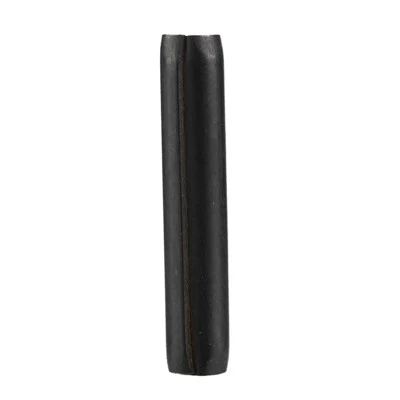
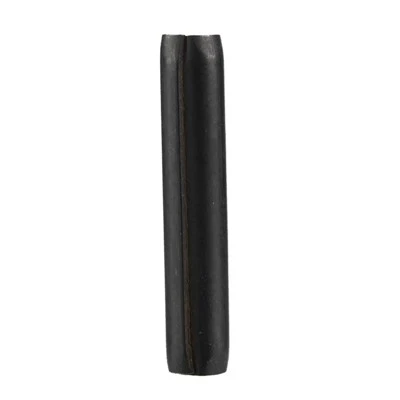
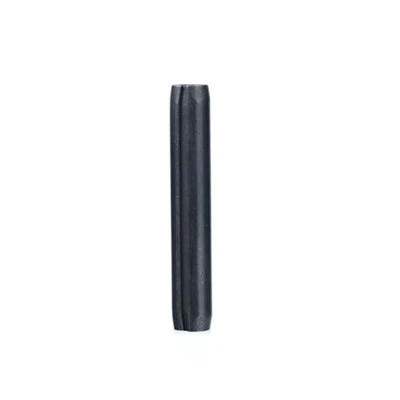
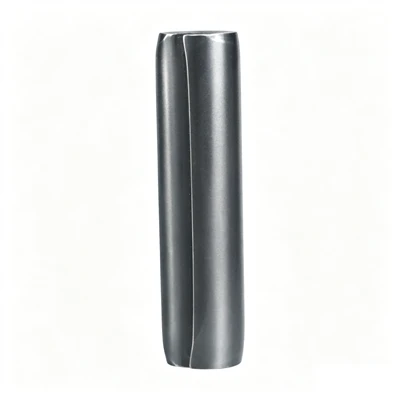
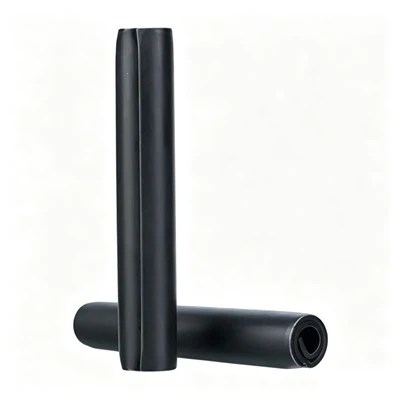
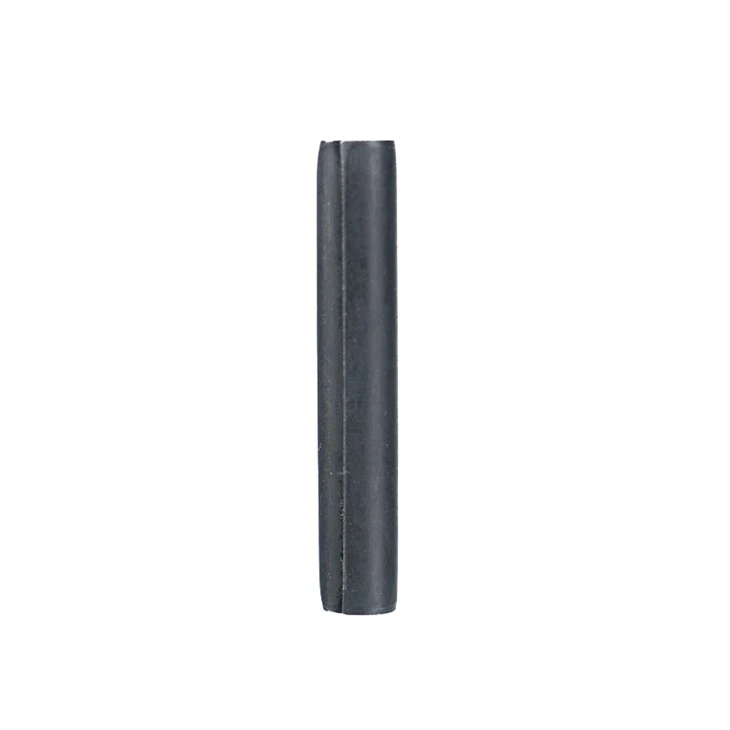
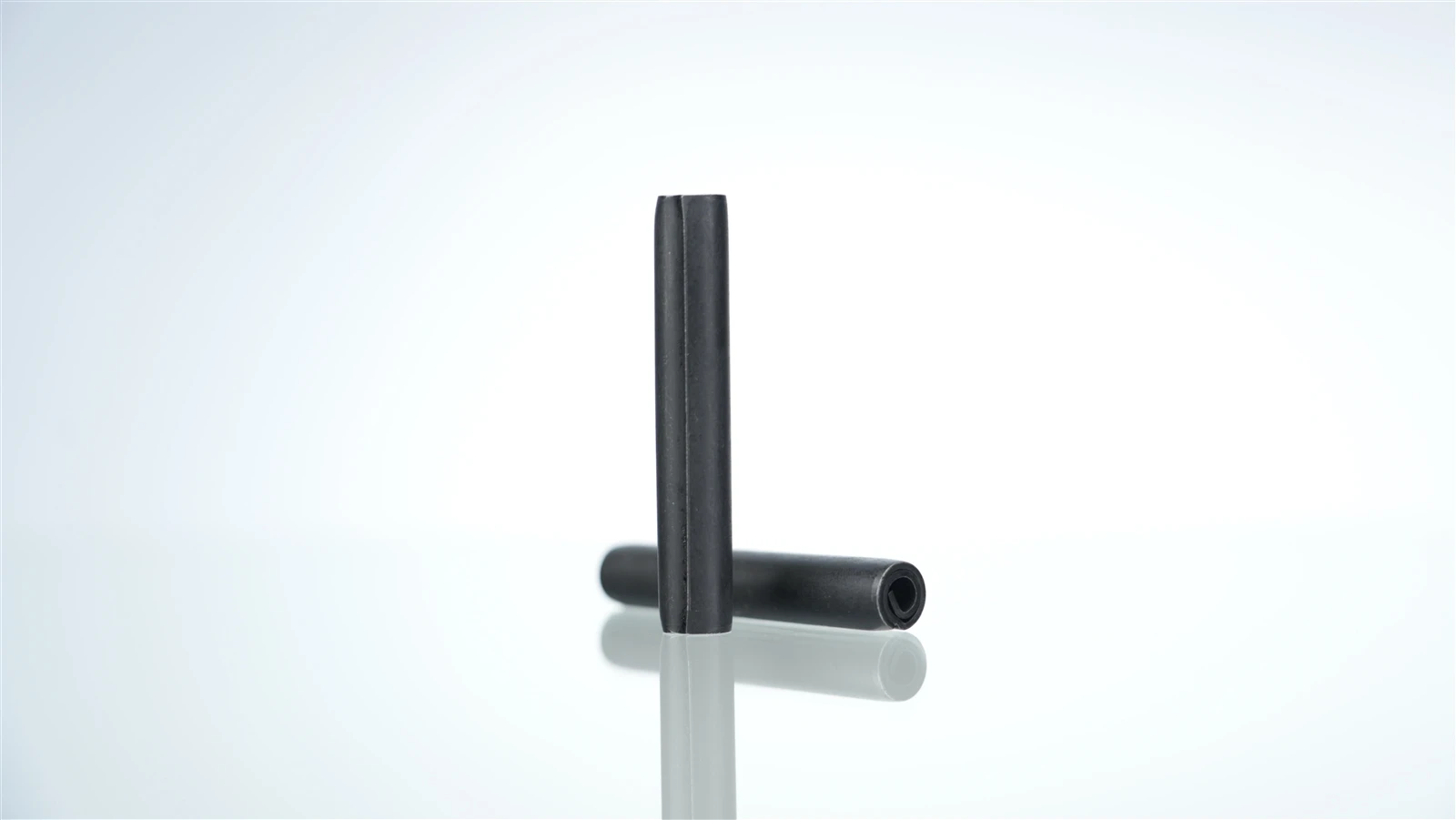
Unlike solid pins, Industrial Spiral Roll Pins feature a multi-layer spiral wound structure that allows controlled radial compression during installation. This design enables the pin to absorb installation stress and maintain continuous contact pressure inside the mating hole.
The coiled structure provides:
- Radial Flexibility
The spiral layers compress during insertion and expand against the hole wall to maintain retention.
- Stress Distribution
The rolled structure helps distribute load across multiple layers instead of concentrating stress at a single point.
- Assembly Adaptability
The elastic design can accommodate minor variations in hole diameter and alignment.
For OEM applications requiring consistent fastening performance, a custom coiled spring pins supplier can adjust pin diameter, duty level, and material according to the assembly design.
Material & Surface Treatment
Material Options
- Carbon Steel
Suitable for general mechanical assemblies where standard strength and cost efficiency are required.
- Spring Steel
Provides the elastic properties required for repeated compression and secure retention.
- Stainless Steel
Used for applications requiring improved corrosion resistance or specific environmental compatibility.
Surface Treatment Options
- Oil coating for temporary corrosion protection
- Zinc plating for improved corrosion resistance
- Passivation for stainless steel versions
- Customized finishes according to customer requirements
Material grade and surface treatment can be specified for OEM spiral roll pin manufacturing based on working environment and assembly conditions.
ISO 8748 Heavy Duty Coiled Spring Pins Manufacturing Process

Raw Material Preparation & Strip Processing
The manufacturing process starts with carefully selected steel strip materials according to the required standard and application requirements. Carbon steel, spring steel, and stainless steel materials are prepared with controlled thickness and mechanical properties to ensure consistent performance during the coiling process.
Before forming, raw materials are inspected for material grade, thickness, and surface condition. Proper material preparation helps maintain stable dimensions and mechanical characteristics throughout industrial spiral roll pin manufacturing.

Precision Coiling & Pin Formin
During forming, steel strips are rolled into a multi-layer spiral structure with controlled diameter, number of coils, and spring characteristics. The coiling process determines the radial flexibility and retention force of the finished pin.
After coiling, pins are cut to the specified length and processed with chamfered ends to support smooth insertion and reduce assembly damage. Production parameters are controlled according to DIN EN ISO 8748, ISO 8750, ISO 8751 standards or customer drawings.

Heat Treatment, Surface Finishing & Final Processing
After forming, applicable steel grades undergo heat treatment and surface finishing processes to achieve the required mechanical properties and corrosion protection. Surface treatments such as oil coating, zinc plating, or passivation can be applied according to material type and application conditions.
Finished coiled spring pins are cleaned, inspected, sorted, and packaged according to customer requirements. Production records and batch identification can be maintained for repeat orders and OEM supply projects.
Quality Inspection
Quality control for Industrial Spiral Roll Pins covers material verification, dimensional accuracy, mechanical properties, and final appearance inspection. Inspection procedures are carried out according to DIN EN ISO standards and customer requirements.
Material Verification
Raw materials are checked to confirm material grade and chemical composition before production.
Dimensional Inspection
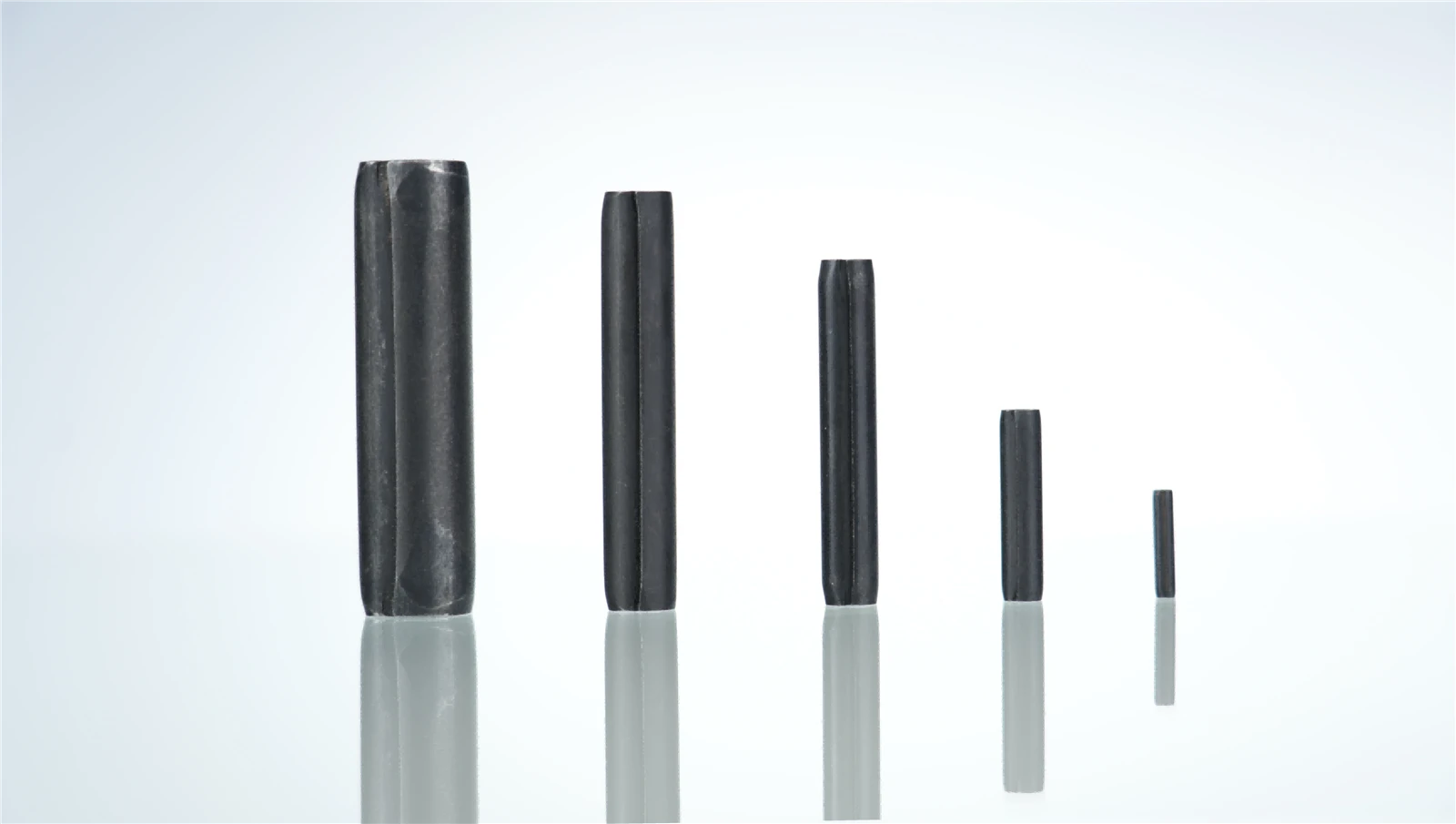
Critical dimensions including diameter, length, wall thickness, and end configuration are inspected to ensure compliance with drawing specifications.
Mechanical Testing
Spring characteristics, hardness, and other mechanical properties are verified according to product requirements.
Surface & Final Inspection
Finished pins are inspected for surface defects, burrs, coating condition, and overall appearance before shipment.
Custom Spiral Roll Pin Manufacturing
Anhui Pins provides custom spiral roll pin manufacturing for customers requiring specific dimensions, materials, or performance requirements beyond standard specifications.
Customization options include:
- Custom diameter and length
- Special material grades
- Specific duty classifications
- Customized surface treatments
- Drawing-based dimensional requirements
- Special packaging and labeling
Customers can provide technical drawings, samples, or application requirements for evaluation. Our production capability supports prototype development, small batch orders, and volume manufacturing for industrial applications.
FAQ
How do I select the right type of coiled spring pin for my application?
The suitable pin type depends on the assembly load, hole design, installation requirements, and required retention force. Heavy duty versions are generally selected for higher load conditions, while standard and light duty versions are used where different flexibility and insertion requirements are needed.
What information should I provide when requesting a quotation for spiral roll pins?
For an accurate quotation, customers can provide the required diameter, length, material, surface treatment, quantity, applicable standard, and technical drawings if available. Application information can also help determine the suitable pin specification.
Can you manufacture spiral roll pins according to customer drawings?
Yes. Custom production is available based on customer drawings or specifications. Dimensions, material grades, surface finishes, packaging requirements, and inspection standards can be adjusted according to the project requirements.
What industries commonly use spiral roll pins?
Spiral roll pins are used in mechanical assemblies such as automotive components, industrial equipment, power tools, machinery, and precision devices where component positioning and retention are required.
Hot Tags: industrial spiral roll pins, China industrial spiral roll pins manufacturers, suppliers, factory