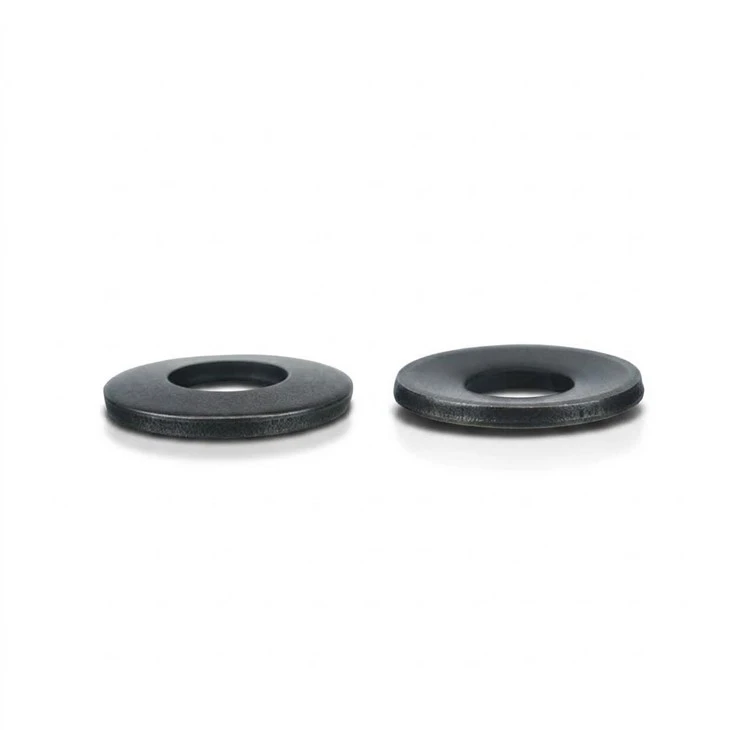
Technical Specifications
|
Parameter |
Specification |
|---|---|
|
Standards |
DIN 6796, DIN EN 16983 Series A, B, C |
|
DIN 6796 Nominal Size |
M2–M30 |
|
DIN 6796 Inner Diameter (d1) |
2.2–31 mm |
|
DIN 6796 Outer Diameter (d2) |
5–70 mm |
|
DIN 6796 Thickness (s) |
0.4–7 mm |
|
DIN EN 16983 Series A |
Outer Diameter: 8–250 mm; Thickness: 0.4–14 mm |
|
DIN EN 16983 Series B |
Outer Diameter: 8–250 mm; Thickness: 0.3–10 mm |
|
DIN EN 16983 Series C |
Outer Diameter: 8–250 mm; Thickness: 0.2–7 mm |
|
Material |
According to customer requirements and applicable specifications |
|
Load & Deflection |
According to standard, size, and series |
Key Advantages of Conical Spring Lock Washers
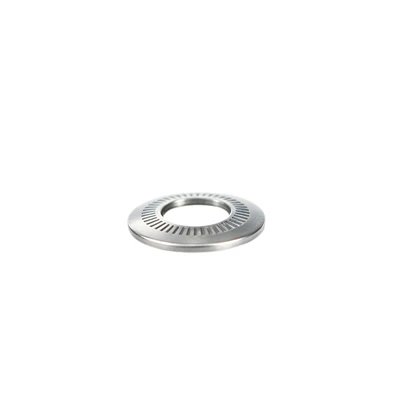
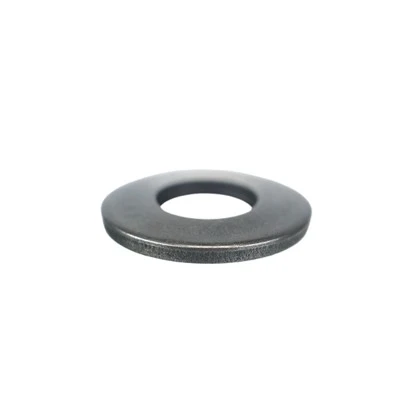
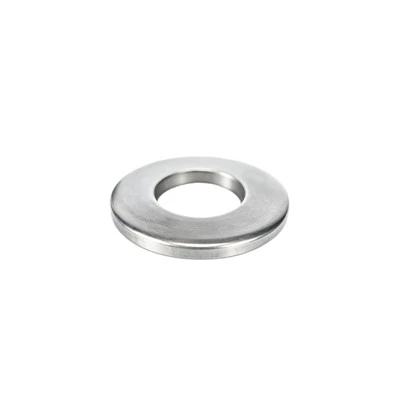
Conical spring lock washers feature a cone-shaped profile that provides elastic deflection under axial compression. Their design supports controlled clamping behavior in bolted joints, with performance determined by the washer geometry, material properties, and installation conditions.
- Elastic Compensation for Joint Movement
The conical profile provides axial spring travel to accommodate small dimensional changes and joint settlement, helping maintain clamping force within the designed working range.
- Defined Load-Deflection Characteristics
Available in different standardized dimensions and designs, these washers can be selected according to specified load and deflection requirements for the bolted assembly.
- Compact Axial Spring Design
The disc-shaped structure provides spring action within a relatively small axial space, making it suitable for assemblies where installation height and available space are limited.
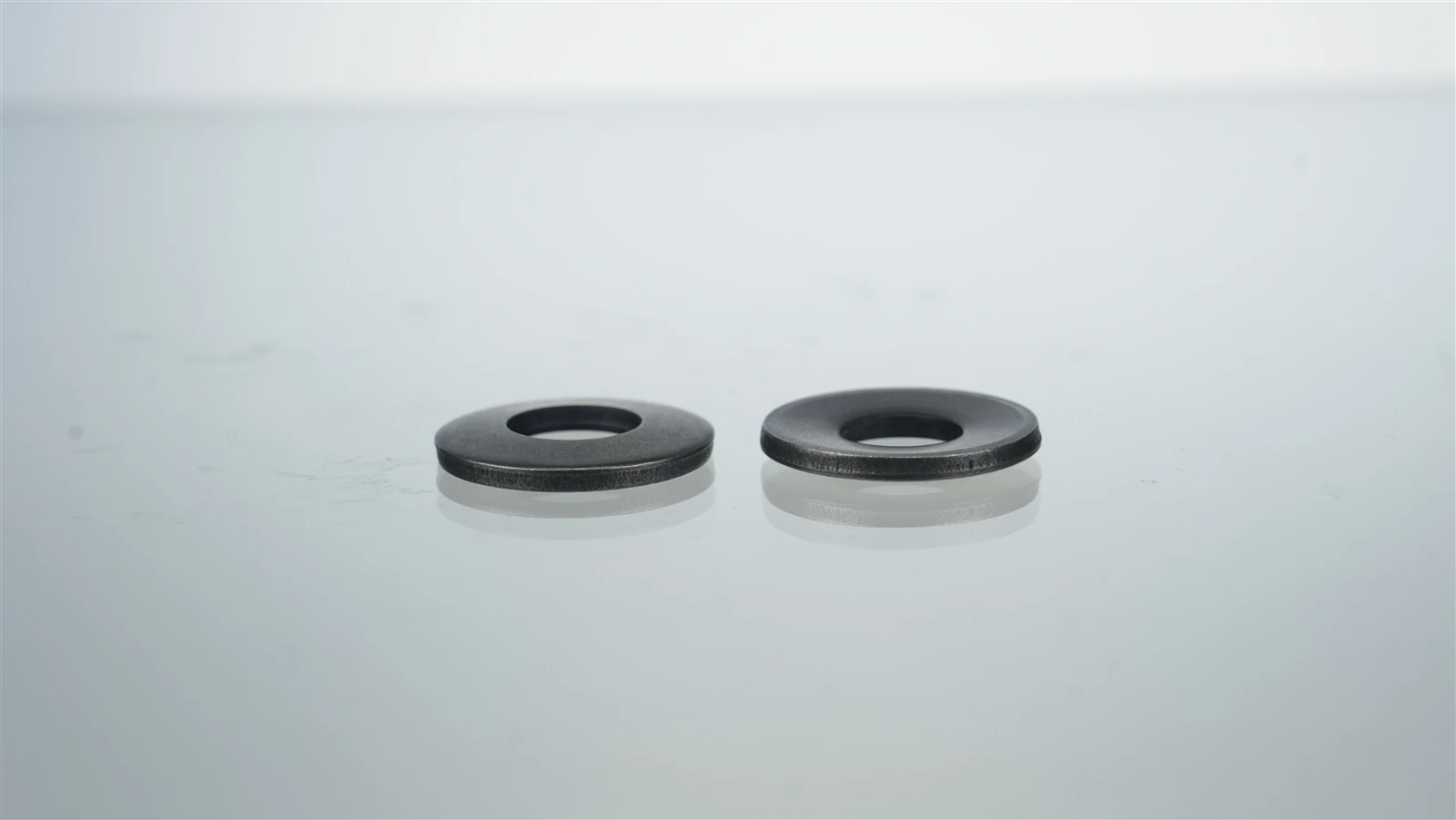
Installation Orientation & Seating Surface
Installation Orientation
Install the conical washer in the orientation specified by the engineering drawing or assembly instructions. The cone direction determines how the washer seats against adjacent components and how it deforms under compression.
Seating Surface Compatibility
Ensure the mating surfaces are sufficiently flat, clean, and free from burrs or debris. Uneven contact can cause localized stress and affect the washer's load-deflection behavior.
Available Compression Space
Allow sufficient axial space for the washer to deflect within its specified working range. Avoid unintended flattening or compression beyond the design limits.
Assembly Specification
Confirm the washer dimensions, bolt size, support surface, and required clamping conditions before installation. For DIN 6796 and DIN EN 16983 Series A, B, and C products, follow the applicable product specifications rather than assuming all designs share the same installation requirements.
FAQ
What is the difference between DIN 6796 and DIN EN 16983 conical washers?
These standards cover different product specifications and design requirements. Buyers should compare the specified dimensions, washer geometry, and mechanical performance rather than selecting a replacement based on nominal diameter alone.
Can conical spring lock washers be used with high-strength bolts?
They can be used when the washer's load capacity, dimensions, material properties, and compression range are compatible with the bolted joint. The washer should be selected according to the assembly design rather than the bolt strength class alone.
Can I request samples before placing a bulk order?
Sample availability can be confirmed according to the required standard, size, and production conditions. Buyers can use samples to verify dimensional compatibility and conduct assembly trials before approving volume production.
Hot Tags: conical spring lock washer, China conical spring lock washer manufacturers, suppliers, factory, conical steel washers, DIN 6796 Conical Washer, Disc Spring Washer, slotted conical washers, Spring Conical Washer, washers