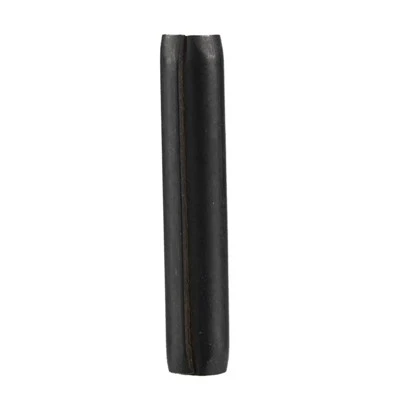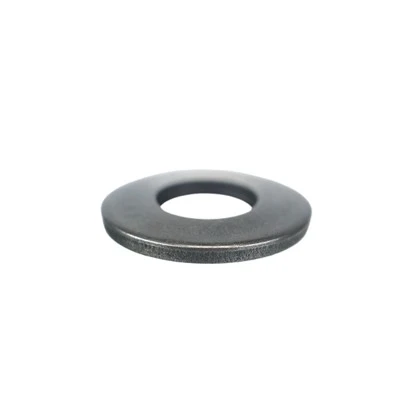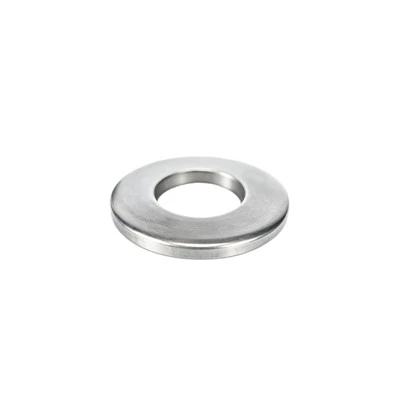

Standard Specification
|
Parameter |
Specification |
|---|---|
|
Standards |
DIN 6796, DIN EN 16983 Series A, B, C |
|
Washer Type |
Conical Spring Washer / Disc Spring |
|
Outer Diameter (De) |
8–250 mm, depending on standard and series |
|
Inner Diameter (Di) |
4.2–127 mm, depending on size |
|
Thickness (t) |
0.2–14 mm, depending on series |
|
Free Height (h₀) |
Varies by size and series |
|
Load & Deflection |
According to standard size and load specifications |
|
Material |
Spring Steel; Stainless Steel subject to availability |
|
Customization |
Dimensions, material, load requirements, and packaging |
Load & Deflection Performance
Load at Defined Deflection
Verify the specified axial load at the reference deflection against the applicable standard or engineering drawing.
Working Deflection
Confirm that the required compression remains within the permitted operating range to avoid excessive flattening or permanent deformation.
Spring Force Retention
Evaluate the washer's ability to maintain the required clamping force under the intended assembly conditions.
Specification Matching
Check free height, thickness, inner diameter, outer diameter, and load requirements for the selected standard and washer size.
Stainless steel conical washers combine spring-disc geometry with corrosion resistance, but material selection must account for both environmental exposure and the mechanical demands of repeated or sustained compression. The selected grade must meet the required strength and elastic recovery characteristics, not corrosion requirements alone.
- SS304 Stainless Steel: Suitable for many general industrial environments where moderate corrosion resistance is sufficient, subject to the required spring properties.
- SS316 Stainless Steel: Offers improved resistance to chloride-containing environments compared with SS304, depending on exposure conditions and the specific application.
- Mechanical Property Verification: Confirm hardness, strength, and elastic performance against the applicable material and product specifications. Standard spring-steel properties should not automatically be applied to stainless steel versions.
- Surface Condition: Specify the required finish and any passivation treatment according to corrosion exposure, cleanliness, and assembly requirements.

Applications of Stainless Steel Conical Washers
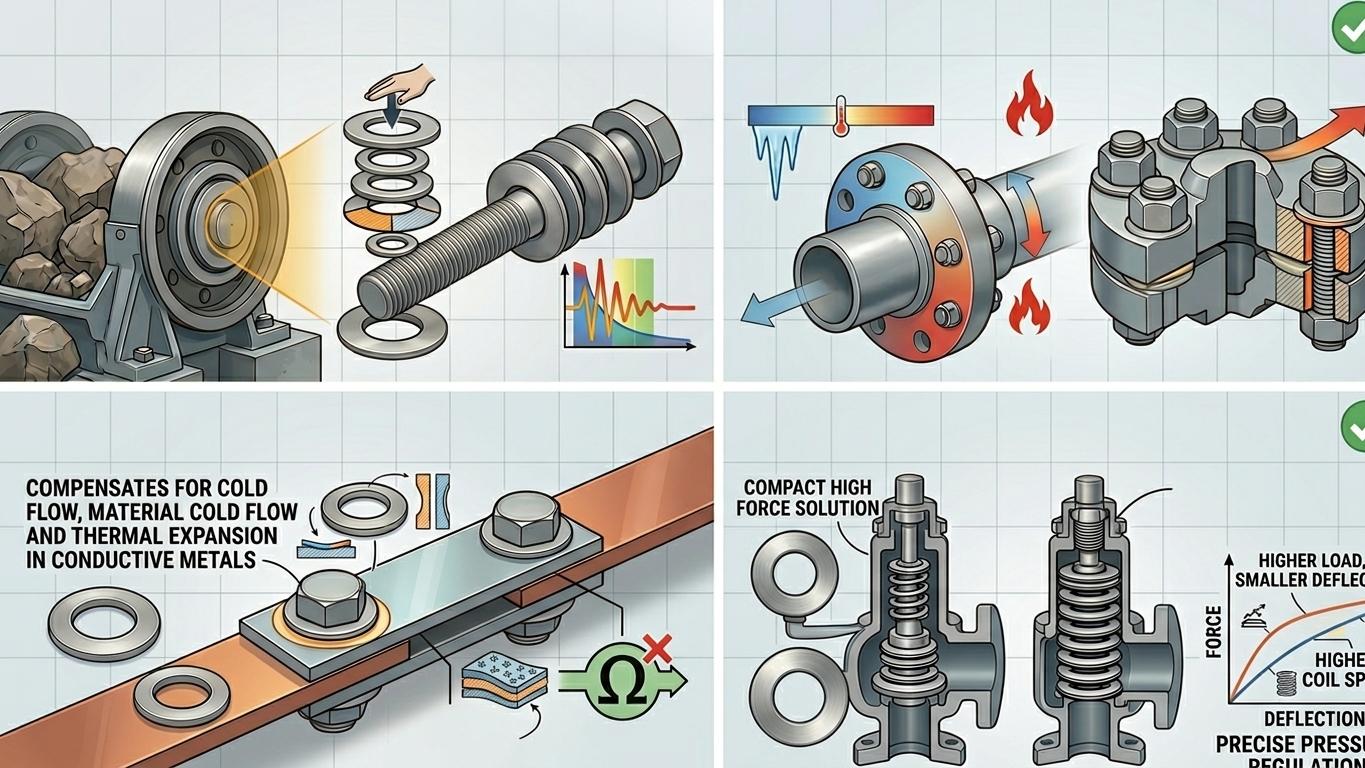
Stainless steel conical washers are used in bolted assemblies that require axial spring force, controlled elastic deflection, and corrosion resistance. Application suitability depends on the washer standard, load-deflection characteristics, material grade, and operating conditions.
- Industrial Machinery & Equipment
Used in bolted connections, bearing assemblies, and mechanical equipment where controlled axial force helps accommodate minor dimensional changes and maintain the specified clamping conditions.
- Automotive & Transportation Equipment
Applied in selected fastening assemblies requiring compact spring elements and consistent load-deflection performance. Washer dimensions and mechanical properties must match the joint design and vibration conditions.
- Electrical & Power Equipment
Used in suitable equipment fastening assemblies where stainless steel corrosion resistance and controlled spring action are required. Electrical contact applications must also consider contact resistance, surface condition, and the manufacturer's design requirements.
Quality Inspection & Performance Testing
Quality inspection for stainless steel conical washers focuses on dimensional conformity, spring geometry, and load-deflection performance. Inspection criteria should be defined according to the applicable standard, material specification, and customer drawing.
|
Inspection Item |
Verification Purpose |
|---|---|
|
Inner & Outer Diameter |
Checks fit with the bolt, shaft, and bearing surface |
|
Thickness & Free Height |
Verifies the washer geometry before compression |
|
Load-Deflection Test |
Measures axial load at a specified deflection |
|
Permanent Set / Recovery |
Evaluates residual deformation after compression, where required |
|
Material & Hardness |
Confirms compliance with the specified grade and mechanical requirements |
|
Surface Inspection |
Checks cracks, burrs, corrosion, and visible forming defects |
FAQ
Can DIN 6796 conical washers be replaced with DIN EN 16983 washers?
Not automatically. The standards may specify different designs, dimensions, and mechanical characteristics. Before substitution, verify the washer dimensions, load requirements, deflection characteristics, and compatibility with the bolted joint.
Can conical washers be reused after disassembly?
Reuse depends on the washer's service history and the manufacturer's requirements. Washers showing permanent flattening, cracks, corrosion, or other damage should be replaced. For critical joints, follow the equipment manufacturer's replacement instructions.
Can conical washers be installed in series or parallel arrangements?
Yes, where the washer design and assembly specification permit it. Series arrangements generally increase available deflection, while parallel arrangements generally increase load capacity. The resulting load-deflection behavior must be verified for the actual configuration.
Hot Tags: stainless steel conical washers, China stainless steel conical washers manufacturers, suppliers, factory, Belleville Washer, DIN 6796 Conical Washer, external tooth lock washers, Metal Conical Washer, slotted conical washers, tab lock washers