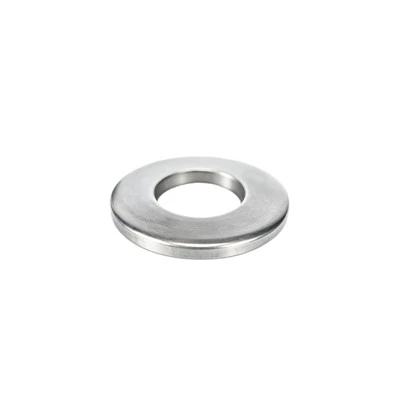

Specifications
| Parameter | Specification |
|---|---|
| Standard | DIN 471-2011 |
| Type | Normal Type / Heavy Type |
| Size | 6–300 mm / Custom |
| Material | Spring Steel / Stainless Steel |
| Thickness | 0.6–7.5 mm / Custom |
| Outer Diameter | Custom |
| Groove Diameter | Custom |
| Surface Treatment | Phosphating / Zinc Plating / Oil Finish / Custom |
Retention Performance
External circlips are engineered to hold components securely on shafts, providing consistent axial retention even under demanding industrial conditions. Their spring-steel design allows the ring to flex slightly while maintaining continuous contact with the shaft groove, ensuring dependable performance in dynamic environments.
Reliable Axial Locking
Keeps components firmly in place on shafts, preventing unwanted movement.
Vibration & Shock Resistance
Maintains retention even under high vibration or impact conditions.
Prevents Loosening
Reduces risk of component displacement during operation.
Durable & Long-Lasting
Ensures consistent fastening stability across repeated cycles and rotating applications.
External Circlip Types


Installation & Assembly Advantages
Circlip Outer is designed with an open-ring profile that fits into a machined groove on the outside of a shaft. Its elastic section allows the ring to expand during installation and return toward its original diameter after seating.
Elastic Ring Section:
Provides controlled radial flexibility for installation and secure seating in the shaft groove.
Groove Engagement:
The ring occupies the shaft groove and forms a positive axial stop for the retained component.
Axial Load Retention:
Transfers axial forces from the retained component into the shaft groove rather than relying on friction alone.
Secure Seating:
Correct matching of the Circlip Outer, shaft diameter, and groove dimensions is required for reliable retention under working loads.
Circlip Outer manufacturer
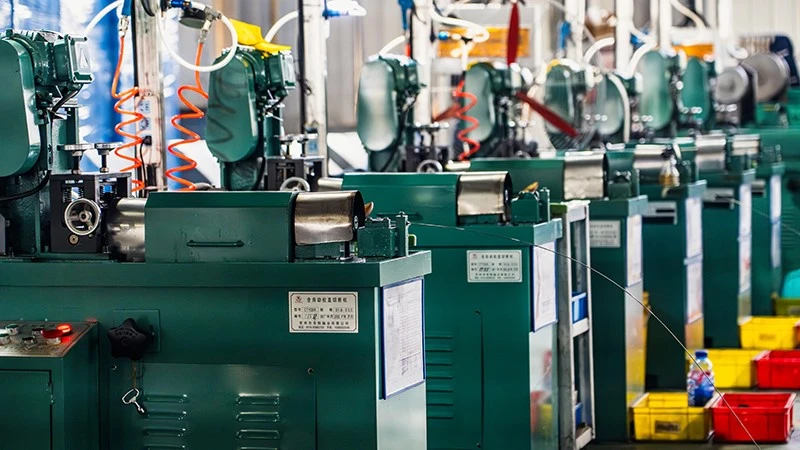
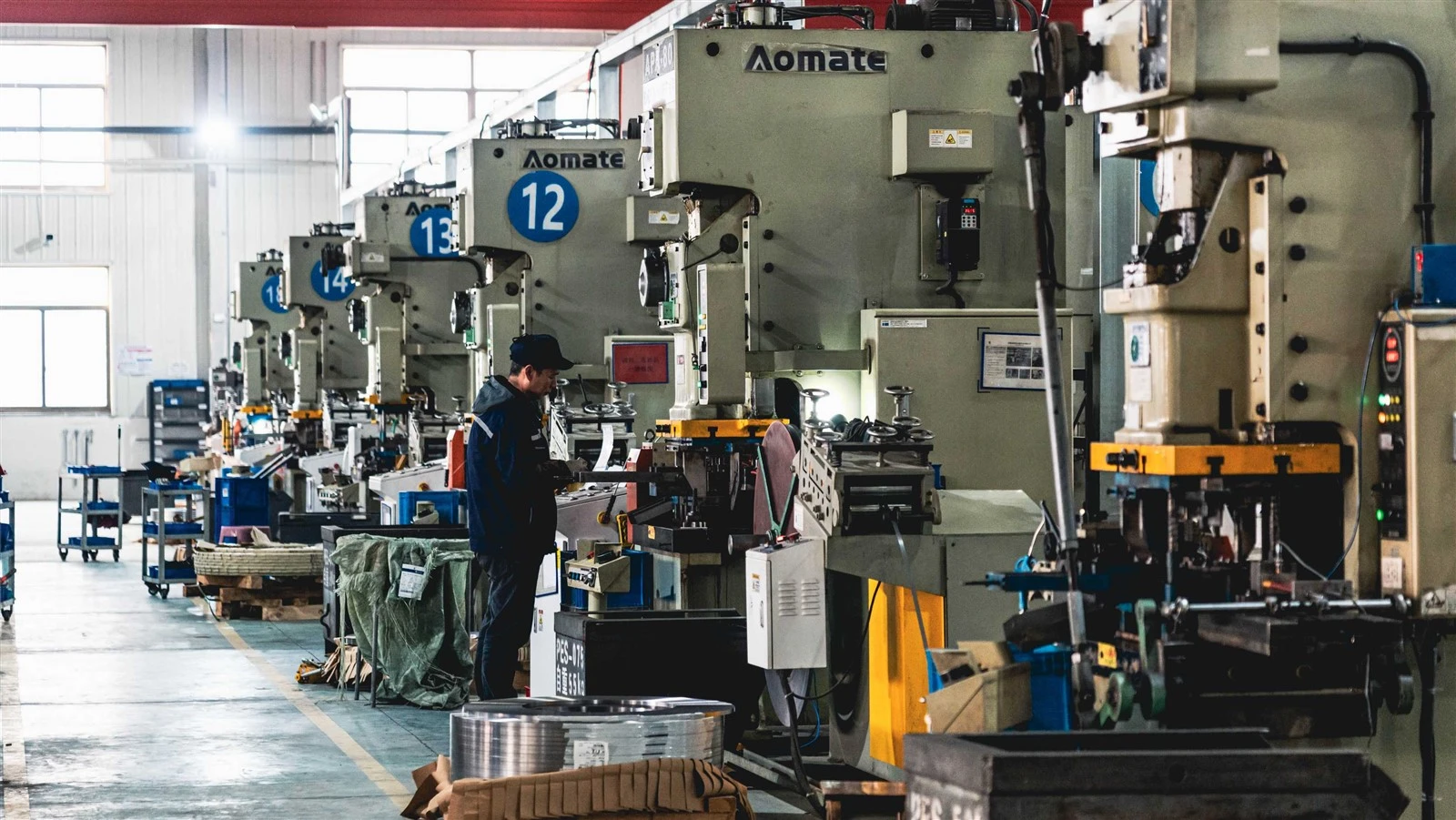
We operate a fully controlled manufacturing system to ensure stable quality, accurate dimensions, and consistent mechanical performance for external circlips. From forming to heat treatment, every process is tightly managed to support reliable industrial-grade production.
Precision Stamping & Forming Technology
Advanced tooling and controlled forming processes ensure accurate geometry and stable product consistency.
Controlled Heat Treatment Process
Carefully managed heat treatment enhances elasticity, strength, and long-term fatigue resistance.
Stable Mass Production Output
Process control systems ensure consistent dimensions and performance across large production batches.
OEM Manufacturing Support
Flexible production capability supports standard and custom requirements for industrial applications.
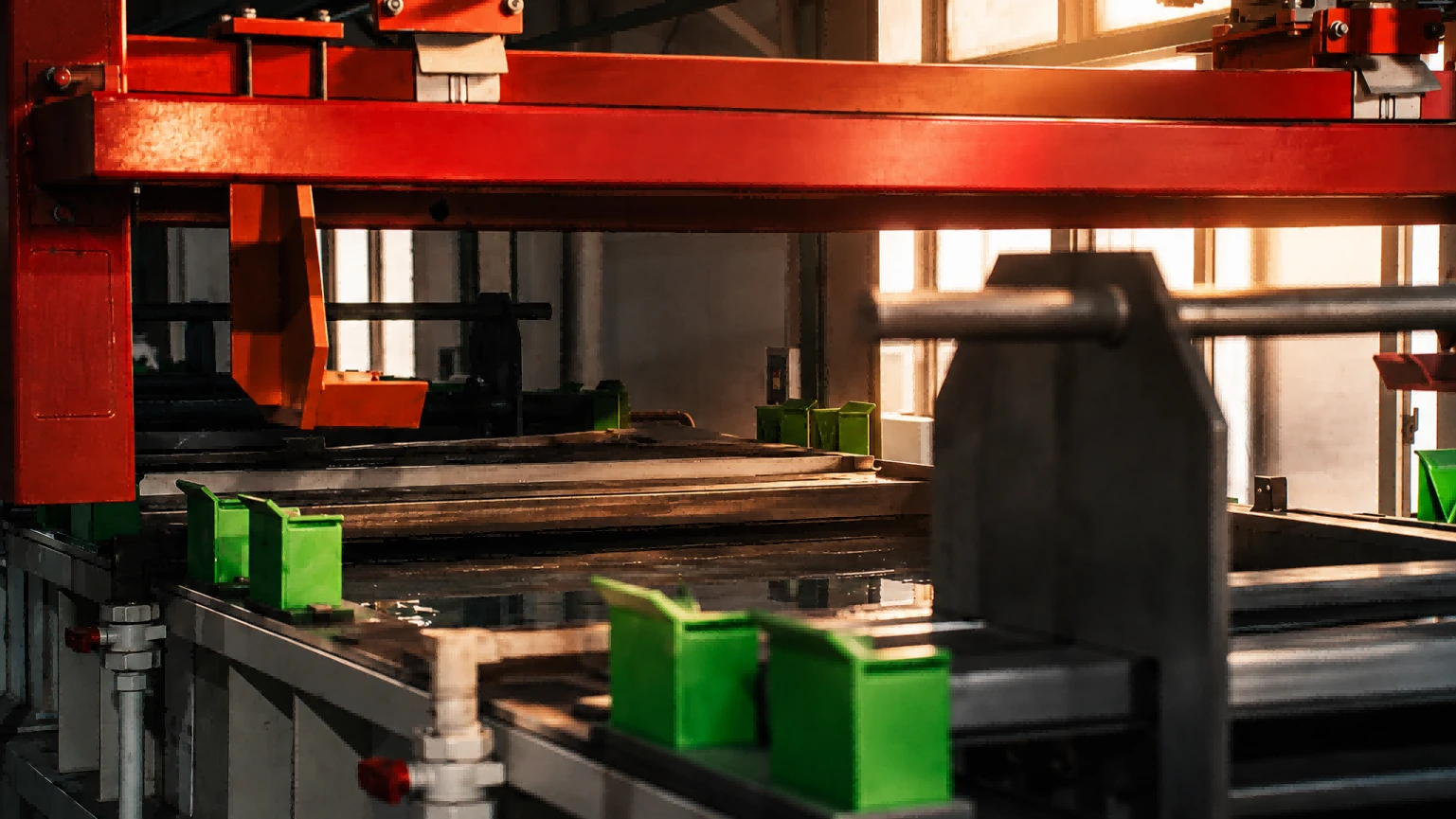
Circlip Outer Manufacturing Process

Custom Circlip Outer Manufacturing
We provide custom External Circlips manufacturing for applications requiring dimensions or specifications beyond standard DIN 471 sizes.
Custom Dimensions:
Diameter, thickness, ring width, and other critical dimensions can be produced to customer requirements.
Material Selection:
Spring steel, stainless steel, and other specified materials are available according to application requirements.
Surface Treatment:
Phosphating, zinc plating, oil finish, and other specified surface treatments can be provided.
Drawing-Based Production:
Custom External Circlips can be manufactured from customer drawings, samples, dimensional tolerances, and inspection specifications.
FAQ
Why does part of a retaining ring show good elasticity while another part is weak?
Uneven elasticity is usually caused by localized decarburization of the raw material surface or furnace atmosphere exposure during heat treatment, where oxygen enters the furnace and affects surface carbon content. Improper loading or stacking on the conveyor belt can also lead to uneven heating, and in small-size parts, inconsistent quenching behavior (floating or uneven immersion in quenching medium) may result in partial elastic performance variation.
Why is the flatness of large retaining rings worse than small sizes?
Flatness deviation in larger retaining rings is mainly related to increased surface area, which makes deformation more difficult to control during heat treatment. Compared with small parts, large rings are more sensitive to oil quenching processes, where uneven cooling rates generate greater thermal stress and result in higher post-quench distortion and reduced flatness consistency.
Why does the surface look like red rust but can be wiped off easily?
This phenomenon is typically caused by insufficient cooling after phosphating treatment. If parts are packaged while still warm, moisture condensation forms on the surface during cooling, creating water stains that resemble rust. These residues are only surface-level and do not indicate actual corrosion of the material or coating failure under normal storage conditions.
Why does one side of the surface finish look qualified while the other side shows spotting?
This issue is often related to contamination in the phosphating process, such as residual soap or oil in the turnover basket. During high-temperature treatment, these residues can decompose and float upward, then re-deposit onto the underside of the parts, resulting in uneven coating appearance and localized spotting on one surface side.
Hot Tags: circlip outer, China circlip outer manufacturers, suppliers, factory, 304 stainless steel circlip, 316 stainless steel circlip, Circlip Outer, external circlips, external retaining ring, Stainless Steel External Circlips