Choosing between hardened and unhardened dowel pins requires more than comparing hardness levels or purchase prices. For machinery manufacturers, OEM suppliers, and industrial procurement teams, the decision affects locating accuracy, wear resistance, assembly conditions, and long-term maintenance requirements.
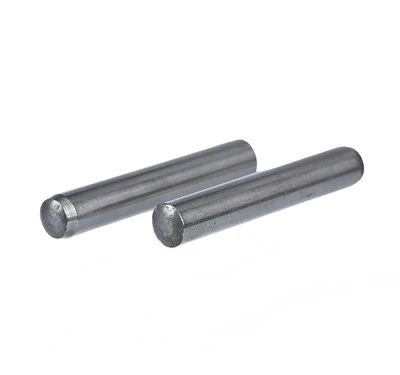
Dowel pins are precision cylindrical components used to position mating parts and maintain alignment during assembly and operation. Although hardened and unhardened versions may have the same nominal dimensions, differences in material condition and heat treatment can influence their performance. Buyers should evaluate the application, dimensional tolerances, mating-hole material, and manufacturing requirements before confirming a specification.
This guide explains the main differences between hardened and unhardened dowel pins and outlines the technical factors buyers should consider when selecting and purchasing them.

Understand the Difference Between Hardened andUnhardened Dowel Pins
Hardened and unhardened dowel pins differ mainly in their material condition, hardness, and wear resistance. Hardened pins undergo heat treatment to increase hardness, while unhardened pins retain their supplied material condition without an additional hardening process. The right choice depends on the assembly requirements, operating loads, and expected wear.
|
Comparison Factor |
Hardened Dowel Pins |
Unhardened Dowel Pins |
|---|---|---|
|
Material Condition |
Heat-treated to achieve the specified hardness |
Supplied without additional hardening |
|
Hardness |
Generally higher |
Depends on material grade and condition |
|
Wear Resistance |
Generally better for wear-sensitive applications |
Depends on material and operating conditions |
|
Machinability |
Post-hardening machining may require grinding or specialized processes |
Often easier to machine |
|
Typical Selection |
Repeated positioning and wear-sensitive assemblies |
Applications where the existing material properties are sufficient |
Actual performance depends on the material grade, heat-treatment method, dimensional tolerances, and mating components. Buyers should evaluate these factors together rather than selecting a pin based on hardness alone.
Evaluate Material Selection and Heat Treatment Requirements
Material selection is an important part of dowel pin specification because hardness alone does not determine performance.
Carbon steel and alloy steel may be used for different mechanical requirements, while stainless steel can be considered where corrosion resistance is important. The appropriate material depends on the applied loads, operating environment, manufacturing process, and required mechanical properties.
For hardened dowel pins, buyers should pay particular attention to heat-treatment control. Inappropriate treatment can produce insufficient hardness, excessive brittleness, or dimensional distortion. These issues may affect the pin's ability to maintain its intended fit and function.
Material and treatment requirements should be defined clearly in the purchasing specification.
Buyers should confirm:
- Material grade and material condition.
- Required hardness range and measurement method.
- Whether through-hardening or surface hardening is specified.
- Dimensional requirements after heat treatment.
- Material certification or hardness inspection records, where required.
For unhardened pins, the material grade and supplied condition should also be identified. A description such as "steel dowel pin" may be insufficient when the assembly requires defined strength, machinability, or corrosion resistance.
Check Diameter Tolerance and Mating-Hole Fit
Diameter tolerance is one of the most important considerations when purchasing precision dowel pins. The nominal diameter identifies the intended size, but the tolerance determines the permissible variation.
The pin and its mating hole must be evaluated as a system. A press fit, transition fit, and clearance fit serve different assembly purposes and require different dimensional relationships.
Buyers should confirm the following details:
- Nominal diameter and diameter tolerance.
- Pin length and length tolerance.
- Mating-hole diameter and tolerance.
- Required fit and installation method.
- Straightness and surface-finish requirements.
- End geometry, including chamfers where specified.
Hardness does not replace dimensional control. Even a hardened pin can cause assembly problems if its final diameter, roundness, or surface finish does not meet the drawing requirements.
Determine Which Type Suits the Application
The correct choice depends on the pin's function, operating conditions, and expected service life.
Hardened dowel pins are worth considering for:
Precision tooling and fixtures: Repeated locating operations can increase the importance of surface wear resistance.
Mold assemblies: Locating components may need to maintain alignment over repeated operating cycles.
Frequently serviced machinery: Repeated installation and removal can increase wear at contacting surfaces.
Wear-sensitive positioning systems: Changes in pin geometry may affect alignment and repeatability.
The pin material, mating component, loading conditions, and fit should still be reviewed together. A harder pin does not automatically guarantee a longer service life if the surrounding component becomes the primary source of wear.
Unhardened dowel pins may be suitable for:
Assemblies with limited relative movement after installation.
Applications where the specified material properties meet the required load conditions.
Projects requiring additional machining before final assembly.
Cost-sensitive designs where additional hardening offers no necessary functional benefit.
The decision should be based on actual application requirements. Buyers should avoid choosing unhardened pins solely because their initial price is lower, particularly where wear or dimensional changes could affect equipment operation.
Review Manufacturing and Quality Control Capabilities
The manufacturing process affects the dimensional consistency and material properties of dowel pins. Buyers sourcing these components should determine whether the supplier can control the relevant production stages for the required specification.
Depending on the product, manufacturing may include raw material preparation, machining, heat treatment, centerless grinding, surface finishing, and final inspection. Hardened pins may require additional finishing after heat treatment to compensate for dimensional changes and achieve the specified tolerance.
For OEM and repeat-order projects, buyers should also establish how the supplier maintains the approved specification across production batches. Inspection records, agreed sampling procedures, and batch identification can help purchasing and quality teams verify consistency.
When evaluating a manufacturer, consider these questions:
- Can the supplier manufacture according to the required drawing or standard?
- Can the supplier confirm the material grade and hardness requirements?
- How are critical dimensions measured and controlled?
- Can samples be inspected before mass production?
- What inspection records are available for production orders?
- How are specification changes and repeat orders managed?
A clear manufacturing and inspection process helps reduce the risk of dimensional variation, assembly difficulties, and unnecessary rework.
Consider Customization and Production Requirements
Standard dowel pins may meet common requirements, but some industrial projects need non-standard dimensions or specific material conditions.
Customization may involve diameter, length, tolerance, end configuration, material grade, hardness, or surface treatment. Each requirement should be reviewed in relation to the intended assembly and the manufacturing process.
For hardened pins, buyers should confirm the required final dimensions after heat treatment and finishing. For unhardened pins, they should establish whether additional machining or other finishing operations are needed before delivery.
For repeat OEM orders, the approved drawing and material specifications should remain the reference for subsequent batches. This reduces ambiguity between purchasing, engineering, and manufacturing teams.
Why Choose Pines for Dowel Pins?
Manufacturing Support for Different Requirements
Pines supports dowel pin sourcing for industrial applications with different dimensional, material, and hardness requirements. Buyers can communicate their drawings and technical specifications to clarify product requirements before production.
Specification-Based Product Selection
Choosing between hardened and unhardened dowel pins requires consideration of hardness, dimensional tolerances, material properties, and mating-hole fit. Confirming these details helps align product specifications with the intended assembly.
Custom Dimensions and Technical Coordination
For projects requiring non-standard sizes or specific configurations, buyers can provide drawings for technical review. Clear communication of diameter, length, tolerance, and material requirements helps reduce specification discrepancies.
Support for Bulk Procurement
For repeat orders and production requirements, confirming approved specifications and inspection criteria helps maintain consistency between batches. Buyers can discuss order quantities, delivery arrangements, and applicable quality documentation during the purchasing process.

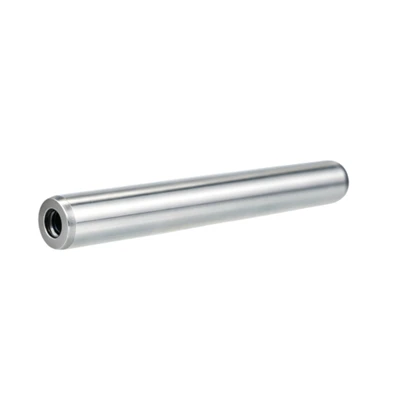
Internally Threaded Solid Dowel Pins

Alloy Steel Dowel Pins

ISO 8734 Dowel Pins
FAQ
No. Hardened pins generally offer greater wear resistance, but the appropriate choice depends on the material, loading conditions, mating components, and required service life.
Not automatically. Hole tolerances should be determined by the required fit, component materials, assembly method, and applicable engineering specifications.
Yes. Unhardened pins can provide precise positioning when their dimensions, tolerances, material properties, and fit meet the assembly requirements.
No. Service life also depends on loading, lubrication where applicable, mating-hole material, installation conditions, and the surrounding operating environment.
Buyers should provide the drawing, dimensions, tolerances, material grade, hardness requirements, surface finish, quantity, and any applicable inspection or packaging requirements.